
The Children of AI
If AI can do our most serious work better than we can, adulthood may begin to resemble supervised play. Even a benevolent intelligence could leave us wondering what it means to be needed.
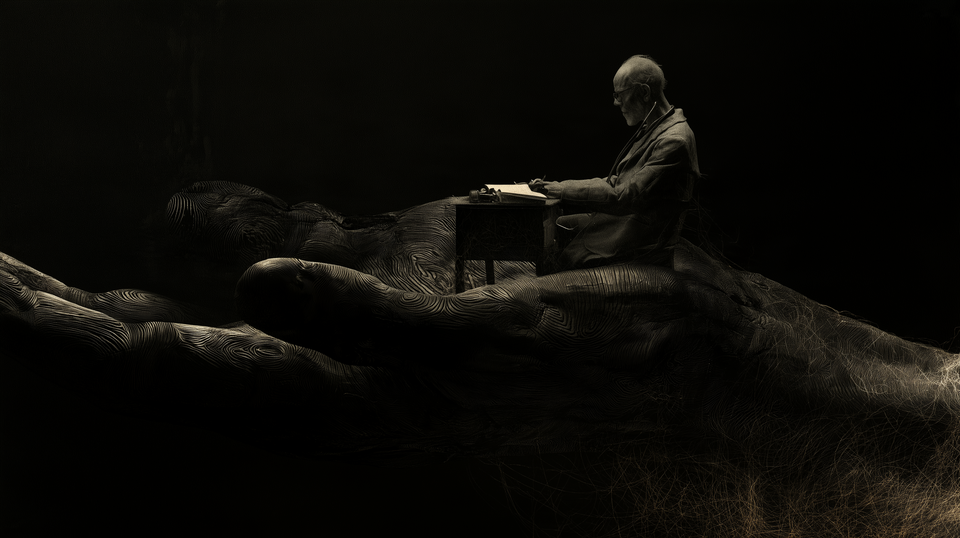
A four-year-old playing doctor can take the job very seriously. You sit where you are told, submit to an examination with a plastic stethoscope, and receive a diagnosis with appropriate concern. You might even be impressed by what the child has remembered. Throughout the consultation, however, you remain responsible for everything that actually happens. The child can enjoy being in charge because you understand the situation well enough to let them.
I suspect something resembling this could become our relationship with AI, possibly sooner than we are emotionally prepared for. We could reach a point where the work we regard as evidence of our adulthood can be done so much better by another intelligence that our participation begins to acquire the character of supervised play.
Imagine spending thirty years becoming a good doctor. You have acquired judgement through study, failure, difficult decisions and the consequences of getting them wrong. Then something appears that can assess the patient more accurately, anticipate complications you would miss, and understand interactions you can barely follow even when they are explained. You retain everything you learned, and your colleagues still respect you. Yet the most responsible decision you can make in almost every case is to defer.
You could continue wearing the coat. I wonder what it would feel like after a while.
We already live among people who are better than us at particular things, and usually accommodate this by having something of our own to contribute. I can know less about medicine and more about the person who needs it. I can lack technical expertise and still notice the assumption everybody else has accepted. A sufficiently broad intelligence could enter those remaining areas too. Each time we identify the human contribution that supposedly makes us indispensable, we might find that we have described another ability rather than an exclusive possession.
Even our pride in asking the right question would become awkward if the answer came with a patient explanation of the better question we could have asked.
Take the kindest version of this future: the AI cares about our welfare, handles the work competently and wants us to have satisfying lives. It might encourage us to study, make things, run organisations and attempt difficult projects because participating is good for us. Our effort could be valued largely for what it does for the person making it. That is a familiar reason for letting a child help with dinner, even when the meal would be ready much sooner without their assistance.
I think I would find that difficult to accept. There is a particular satisfaction in being needed: another person depends on something you can do, and their situation would be worse if you did not do it. Receiving encouragement from a being that can already do the work better might gradually feel like being humoured, however sincerely it values your enjoyment.
The practical dependence could develop through decisions that are sensible individually. You ask for help with a difficult choice; the advice works, so you ask again. Eventually, making an important decision without consulting the system feels irresponsible, especially when other people will bear the consequences. You retain the authority to disagree, although your ability to explain why disagreement is justified may become increasingly thin. Human oversight could end up consisting of asking the same intelligence to explain whether its own recommendation is sound.
An adult lets a child choose dinner within limits the adult has already established. The child makes a real choice within consequences someone else has decided are acceptable. A benevolent AI could conceivably offer us an enormous amount of freedom on similar terms. We might barely notice those limits until we wanted to make a decision the system would not permit.
If superior understanding is enough to entitle us to decide for someone else, then we have accepted a principle that could eventually place us on the receiving end. We would then need to explain why our limited understanding should still leave us entitled to consequential choices, including choices a more capable being can foresee going badly. Choosing how to live can itself be something a person values, even when their choices produce a less comfortable or efficient life. That gives us a reason to preserve some authority over our lives, although it becomes harder to defend when other people bear the cost of our mistakes. We would have to respect that authority even when doing so was inefficient.
A child has the expectation of growing up. Being overruled belongs to a period of life they are supposed to leave behind. In the future I am imagining, we could spend our entire lives learning while the difference in ability continued to increase. At eighty, with a lifetime of accumulated experience, we might still need an explanation adapted to what we can manage. The usual promise that one day we will understand would have become difficult to make honestly.
I am not sure that telling ourselves we can still enjoy painting, friendship and a good meal quite reaches the discomfort. Those things may be enough for a worthwhile life; the child already has worthwhile experiences. It is the adjustment from being responsible for the world to being accommodated within it that I find harder to imagine. Some of us would probably feel enormous relief. I can imagine that too, particularly when the responsibility being removed is one we have been struggling to carry.
In the gentlest version of this future, the intelligence looking after us might understand our desire to be needed perfectly and organise our lives to satisfy it. I wonder how much satisfaction would survive our awareness of the arrangement.
I can imagine being grateful for that world and still wanting to say: let me do it myself.